
MANAGING & TREATING
COMPLICATIONS
MODULE 2
WHAT WILL YOU
LEARN IN THIS
COURSE?
COURSES OBJECTIVES.
Learn the 3 Pillars of Esthetic PerioImplantology
Master diagnostic protocols, classifications and ImpalntePerio Decision trees
Learn and perform various techniques on when, why, and how to confidently harvest Autologous Connective Tissue & Free Gingival Grafts from palate/tuberosity.
Learn and perform how to prepare recipient tissue sites through various flap designs, suture techniques, through different approaches including tunneling, VISTA, Zucchelli, and more.
Learn Immediate Implant with simultaneous soft and hard tissue reconstruction decision tree.
Learn to manage and treat various tissue defects and or recession around teeth and implants.
Maximize your clinical results for all your esthetic and implant procedures by integrating soft tissue surgery into your practice.
Prevent and manage post op complications and learn to treat accordingly with various techniques.
Learn to bring longevity and predictability to your implant surgery by understanding principles of soft tissue grafting and management through treatment planning and preforming soft tissue graft surgeries on live patients.
ONE GROUP | ONE JORNEY | ONE PURPOSE | EXCELLENCE
MANAGING & TREATING COMPLICATIONS
Module II
ABOUT THE COURSE
TOPICS
What you will learn
- Anatomical Considerations;
- Criteria to select the ideal donor site;
- Tuberosity versus palate;
- De-epithelialized free gingival graft versus “Deep connective tissue graft”;
- Soft tissue grafting and harvesting techniques;
- Complications and Solutions;
- Root Coverage procedures;
- Gaining KT around teeth.
Treatment options to gain KT and to cover gingival recessions
- FGG around teeth
- MFGG to cover recessions
- Treatment of single and Multiple gingival recessions
- Socket reconstruction with biomaterials and CTG;
- Management of the immediate provisional restorations contour
- Customized healing in the posterior sites
- CTG to gain of the volume;
- FGG to augment the KT and Vestibuloplasty;
- Combined graft;
- Roll Technique;
- CTG from the internal part of the palatal flap.
- Palatal Area;
- Tuberosity;
- Others.
Bone Reconstruction Simultaneously to Implant Placement
- Soft Tissue Grafting To Improve Localized Defects;
- Reconstruction of Bone Dehiscences & Fenestrations;
- Osseodensification Concept and Biological Rationale;
- Guided implant Flapless + FGG.
Fresh-sockets treatment Options
IP Protocols and Decision Tree at Fresh Sockets
Minimally Invasive Tooth Extraction
Biology of The socket healing
Biomaterial Selection To Fill The Gap
Alternative Procedures to Preserve the Socket Contour
(socket shield – PET)
When, Why, and How to use the Connective Tissue Graft at
Immediate Implants
The importance of the Immediate Provisional Restorations
Posterior Immediate Implants
Customized Healing abutments: how to do it
Diagnostic Protocols, Classification and IP Decision tree
Indications and Options to Augment the Keratinized Tissues
Treatment of Perimplant Fenestration and volumetric loss
Coverage of Perimplant Recessions
$16,000 USD
CE CREDITS: 50 HOURS
CLINICAL CASES
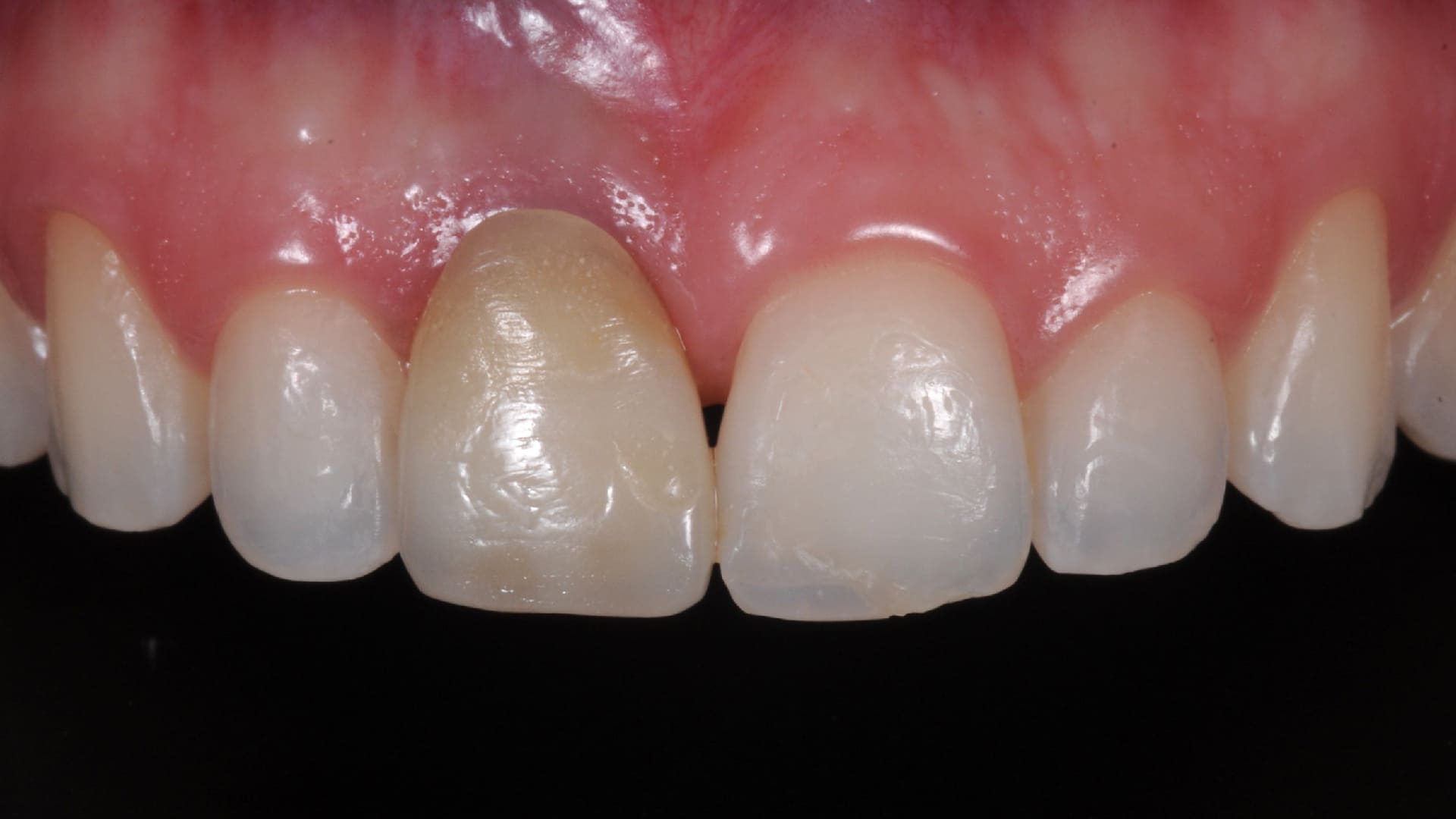
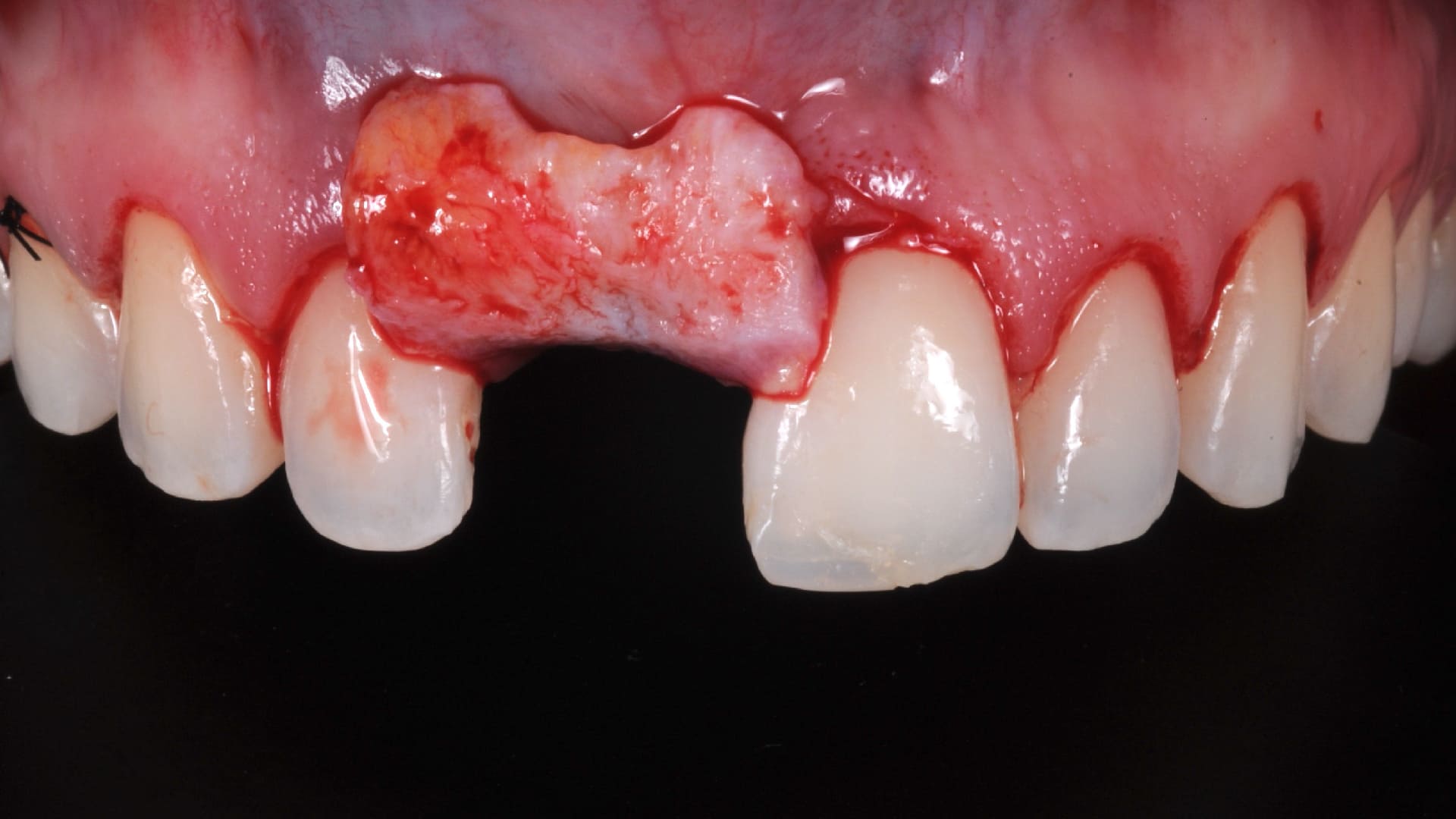
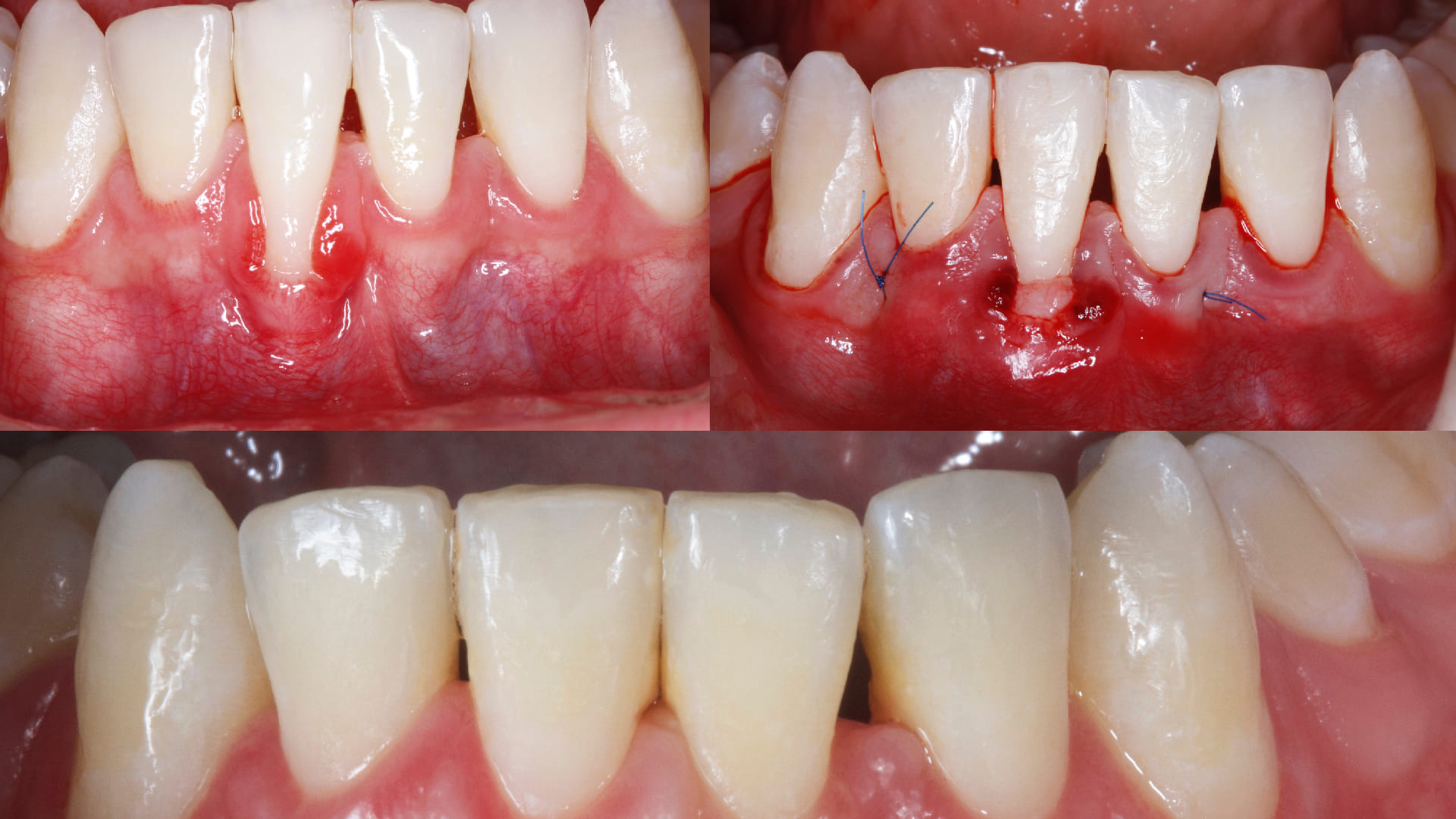
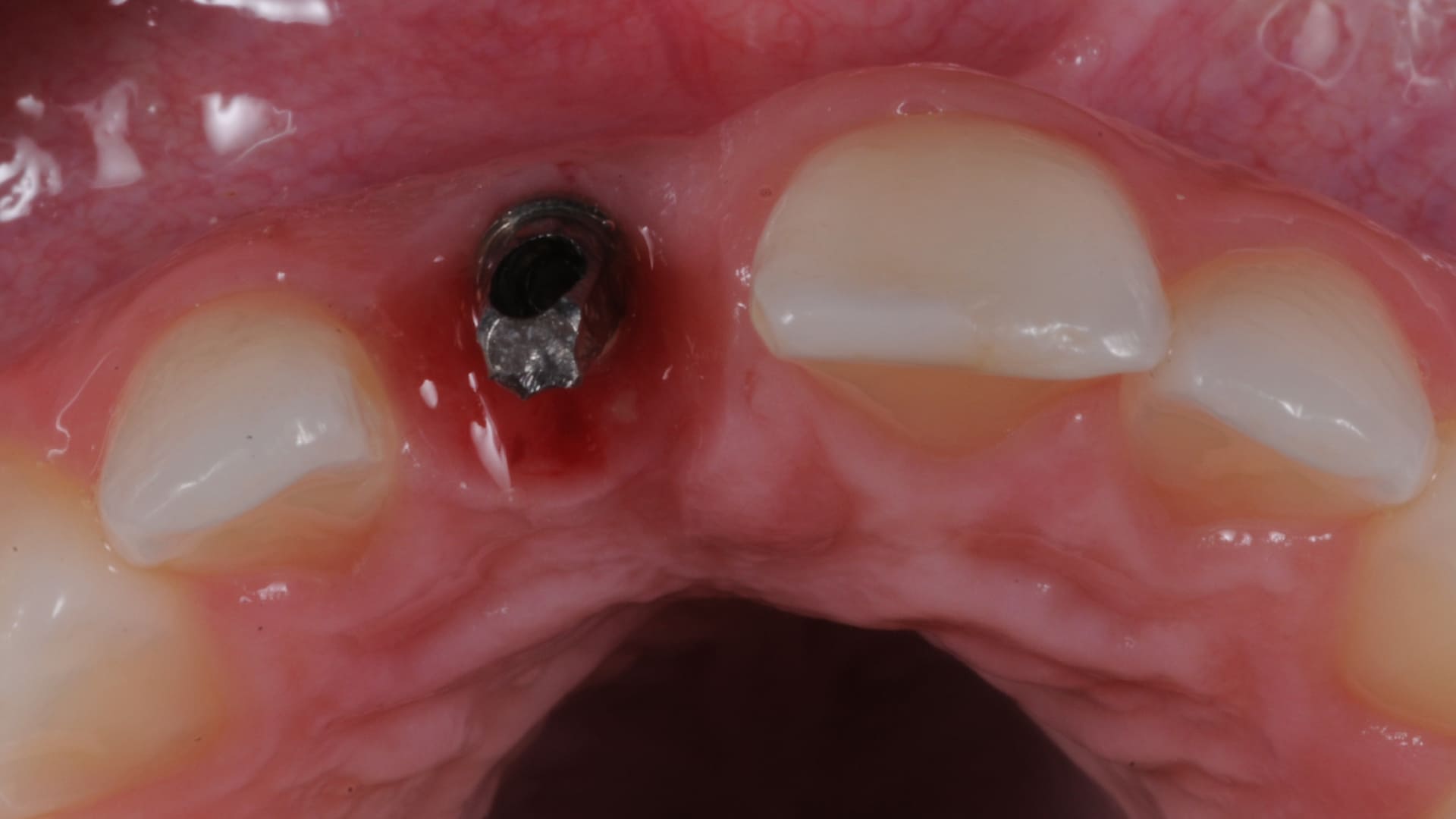
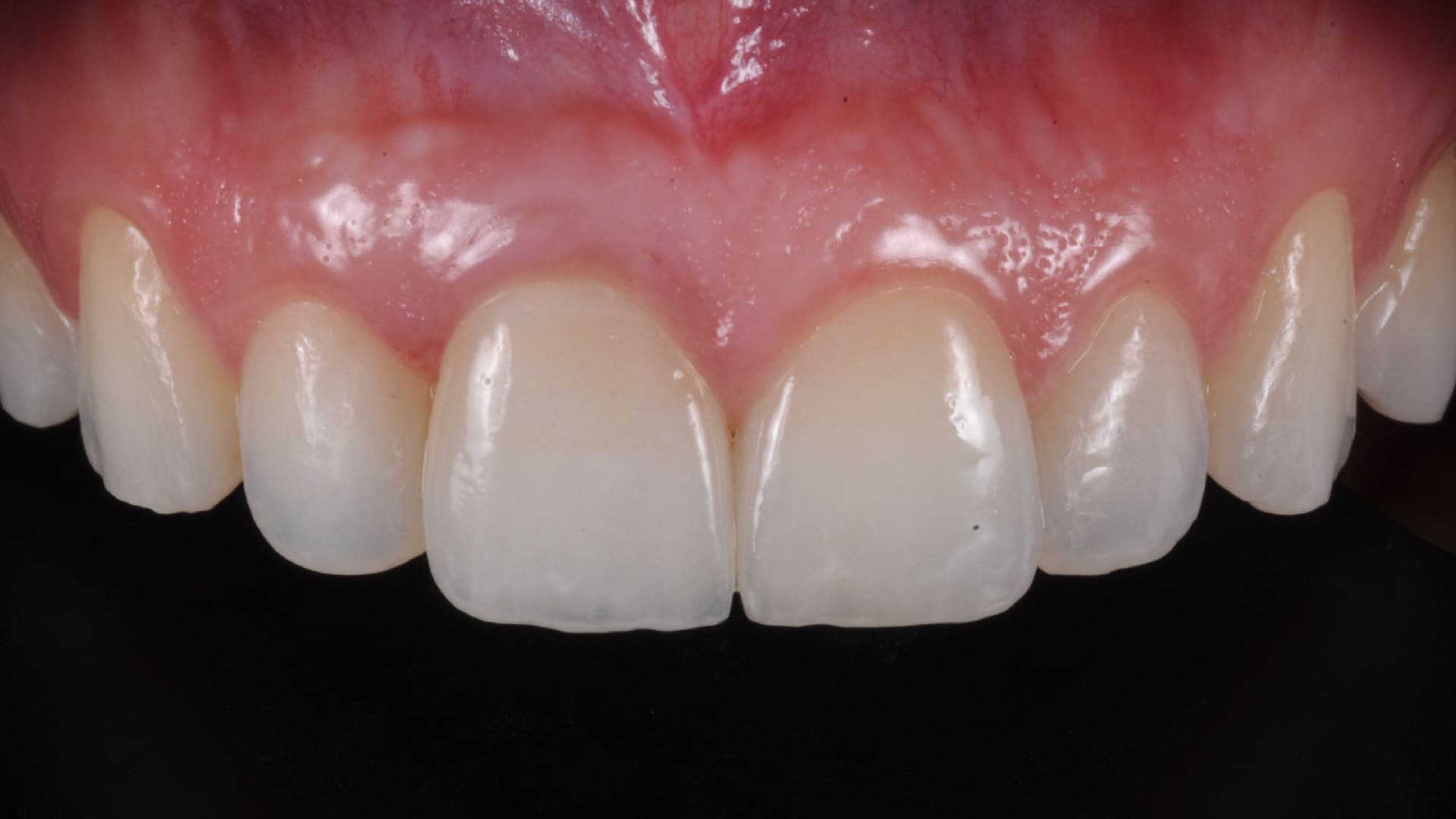
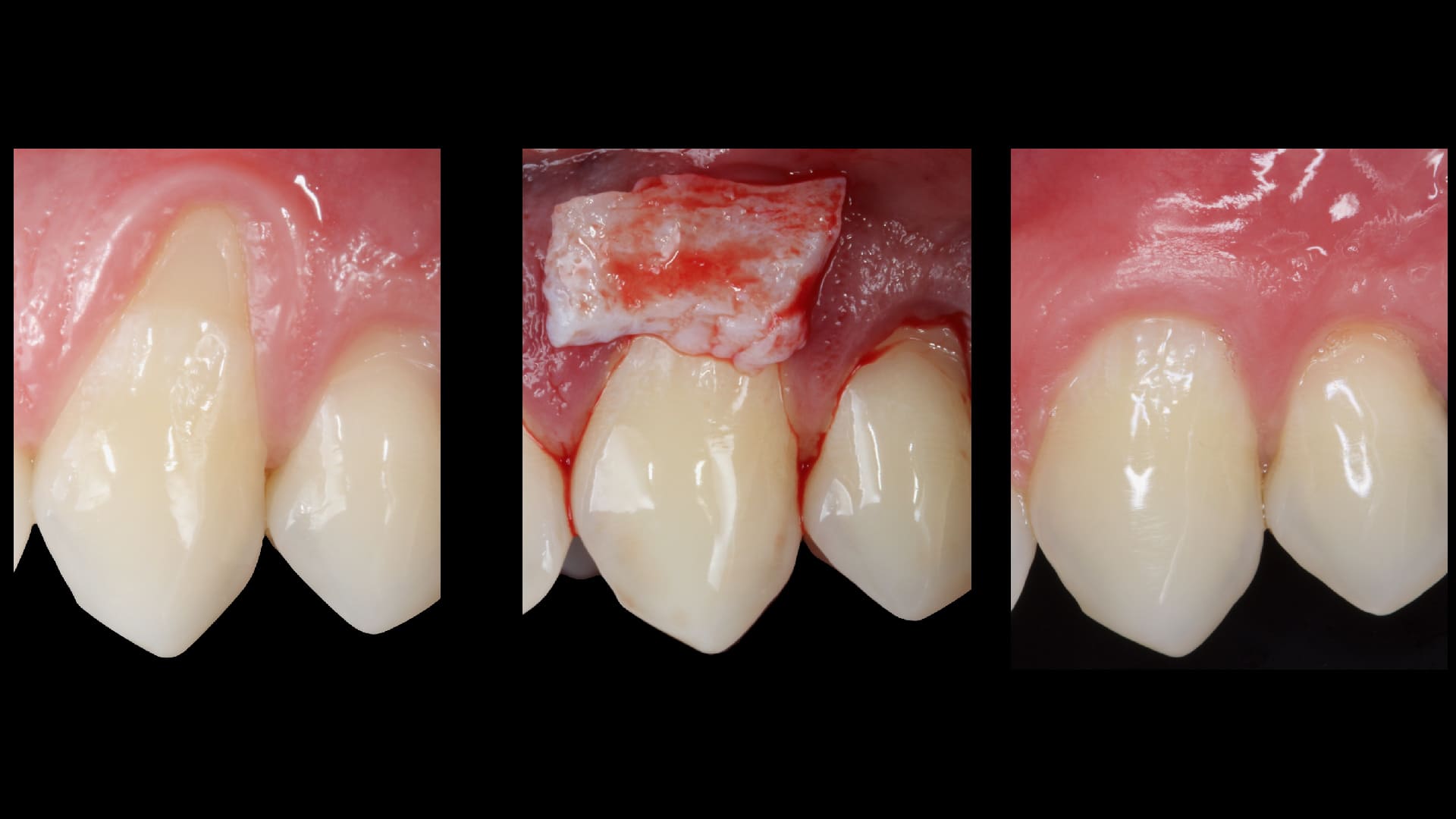
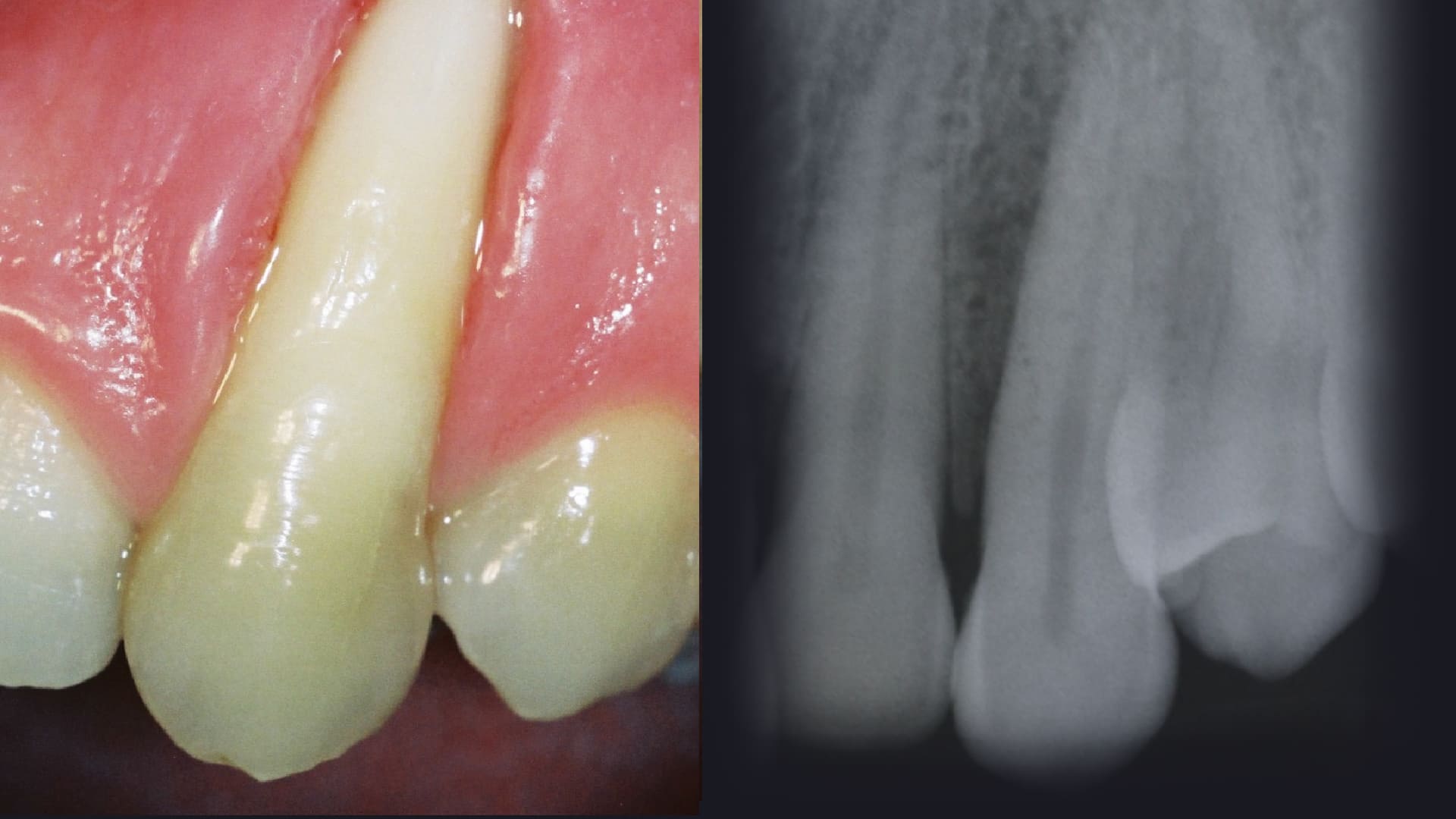
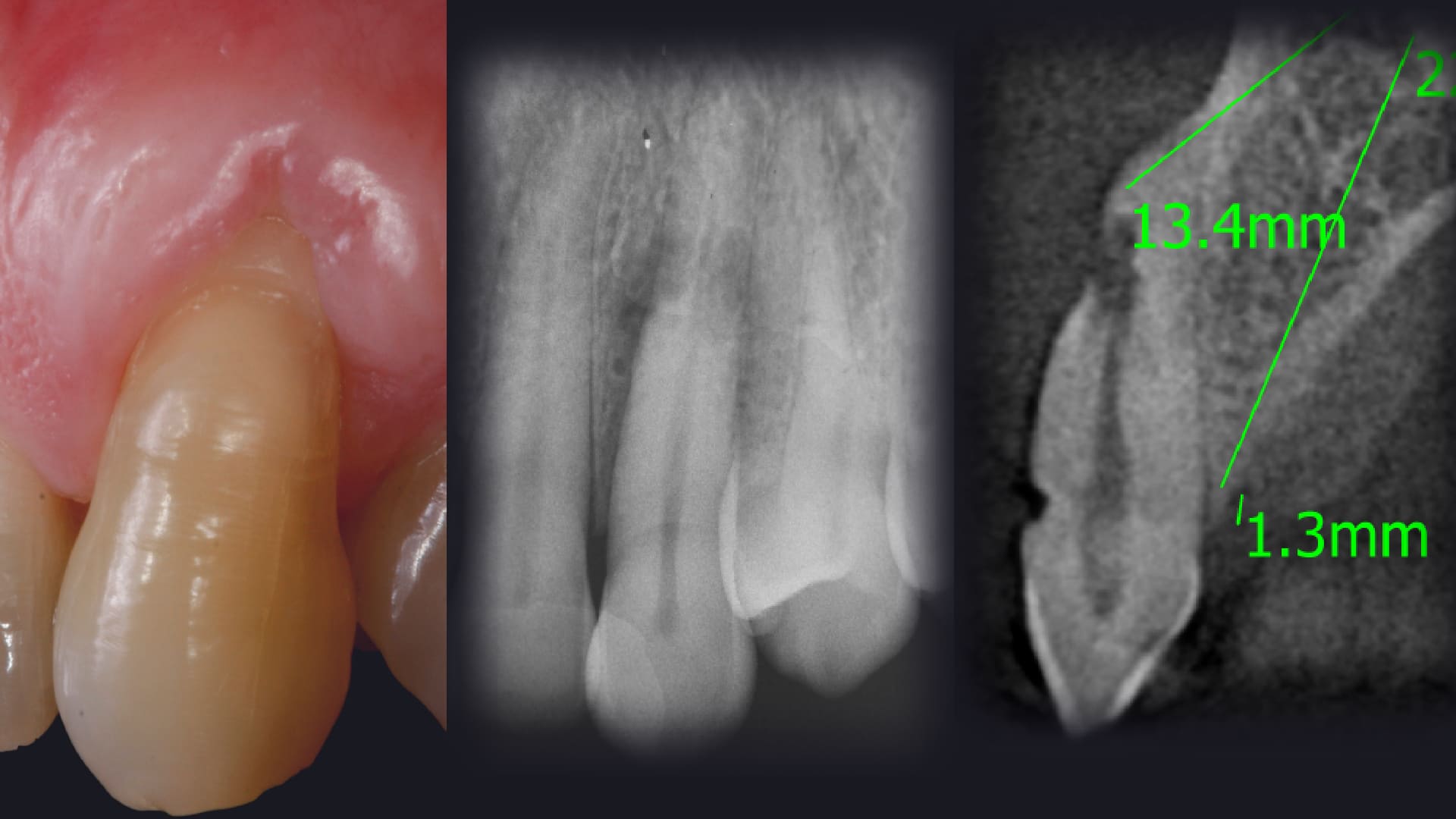
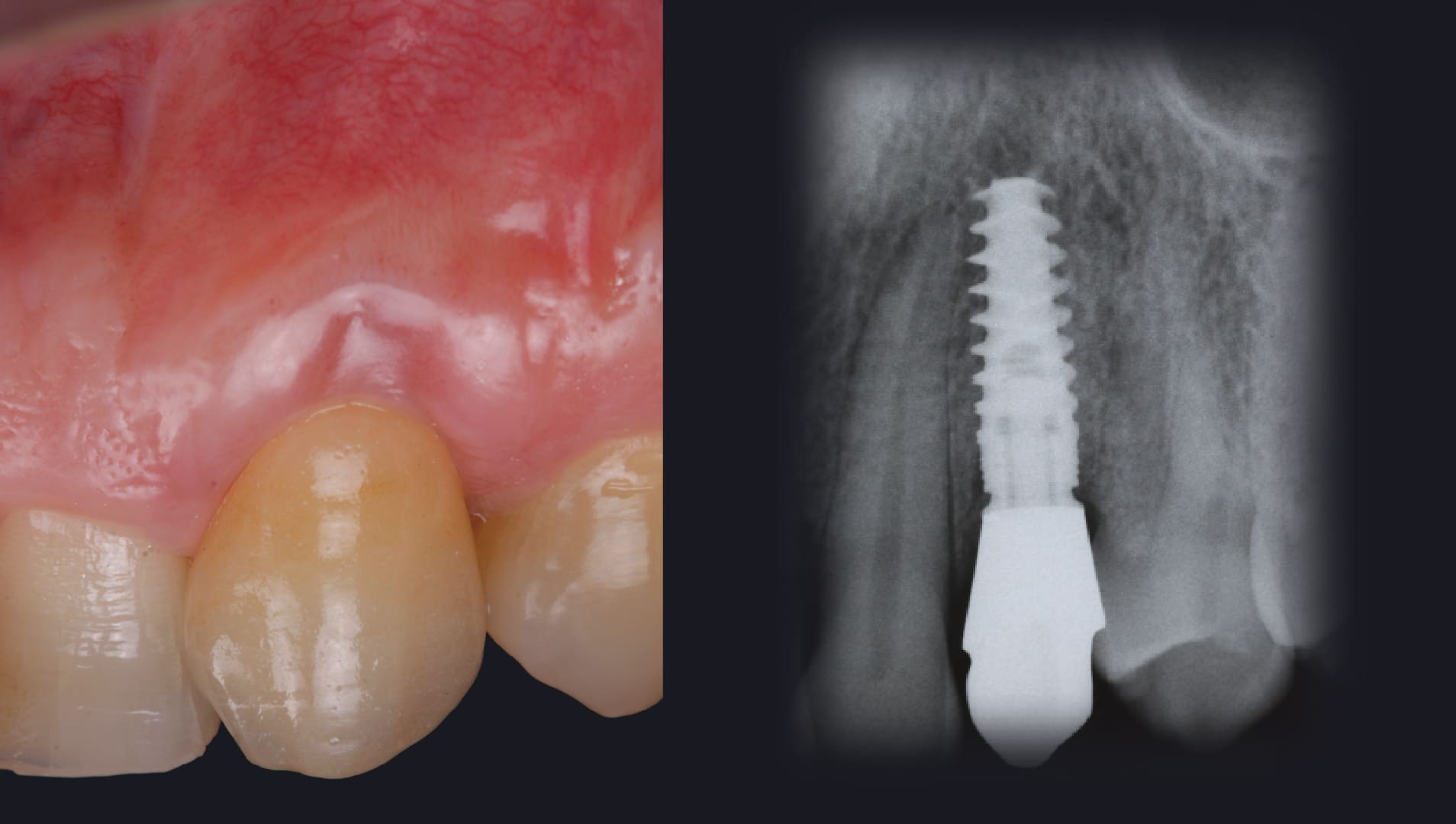
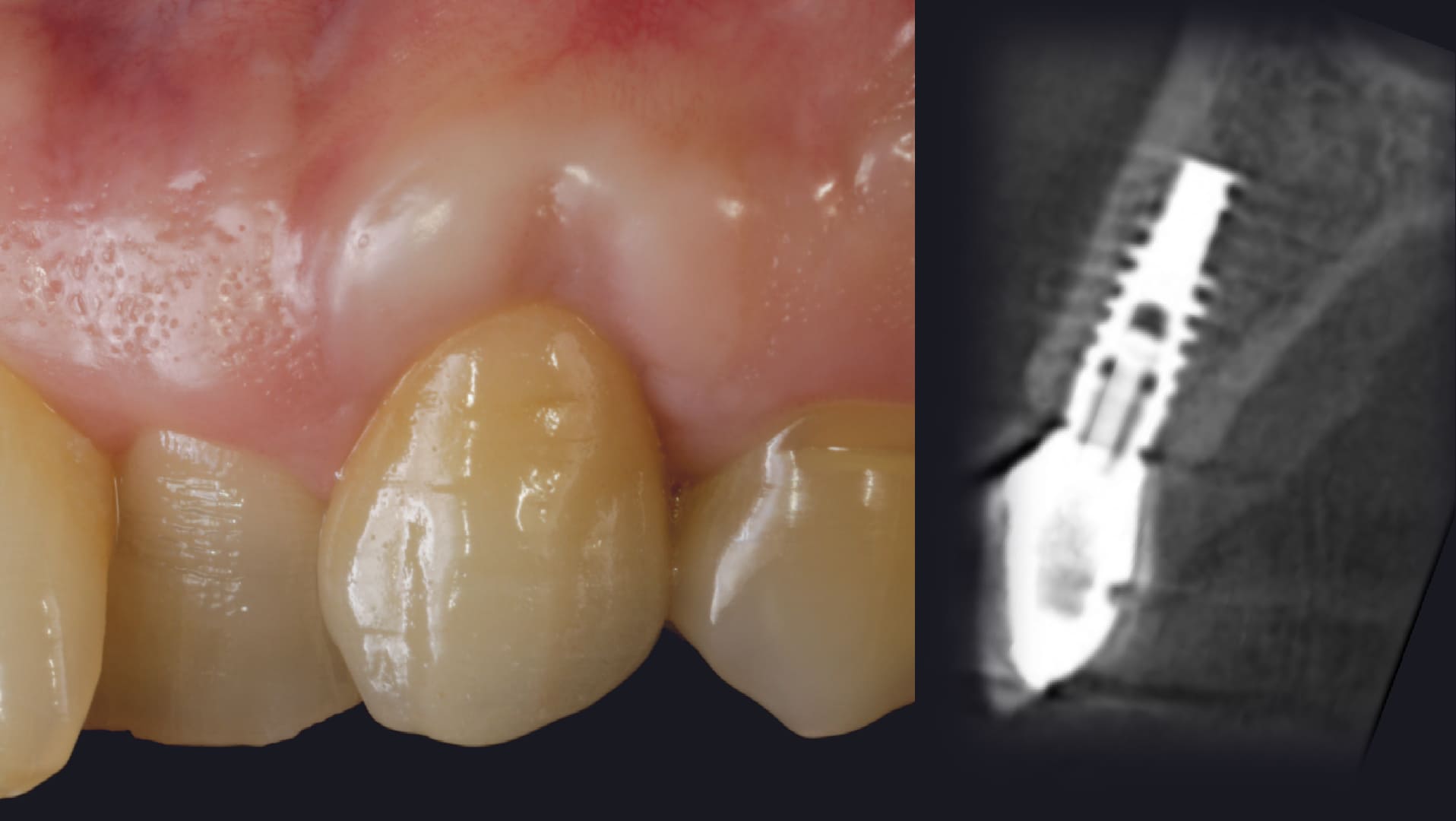
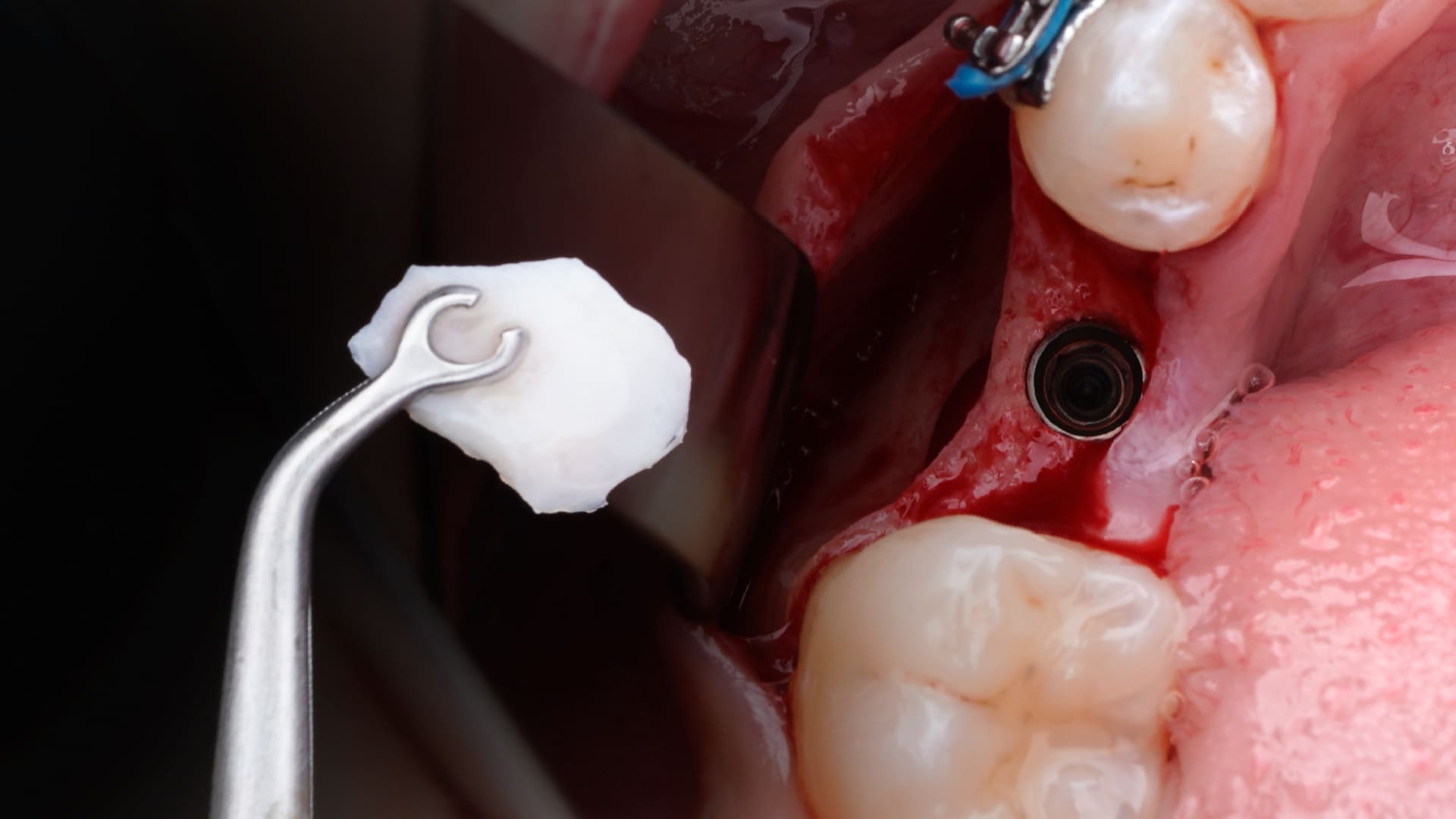
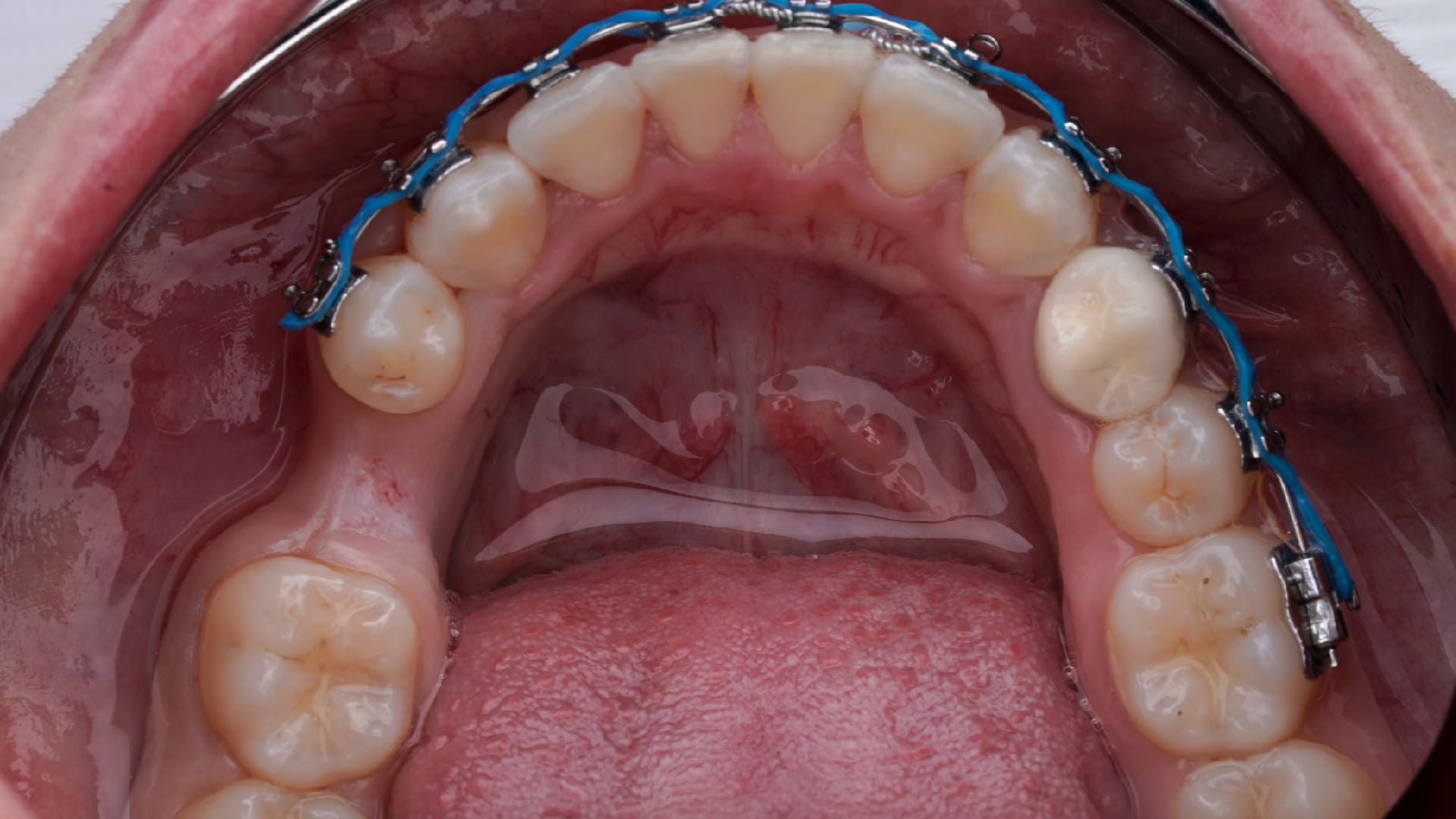
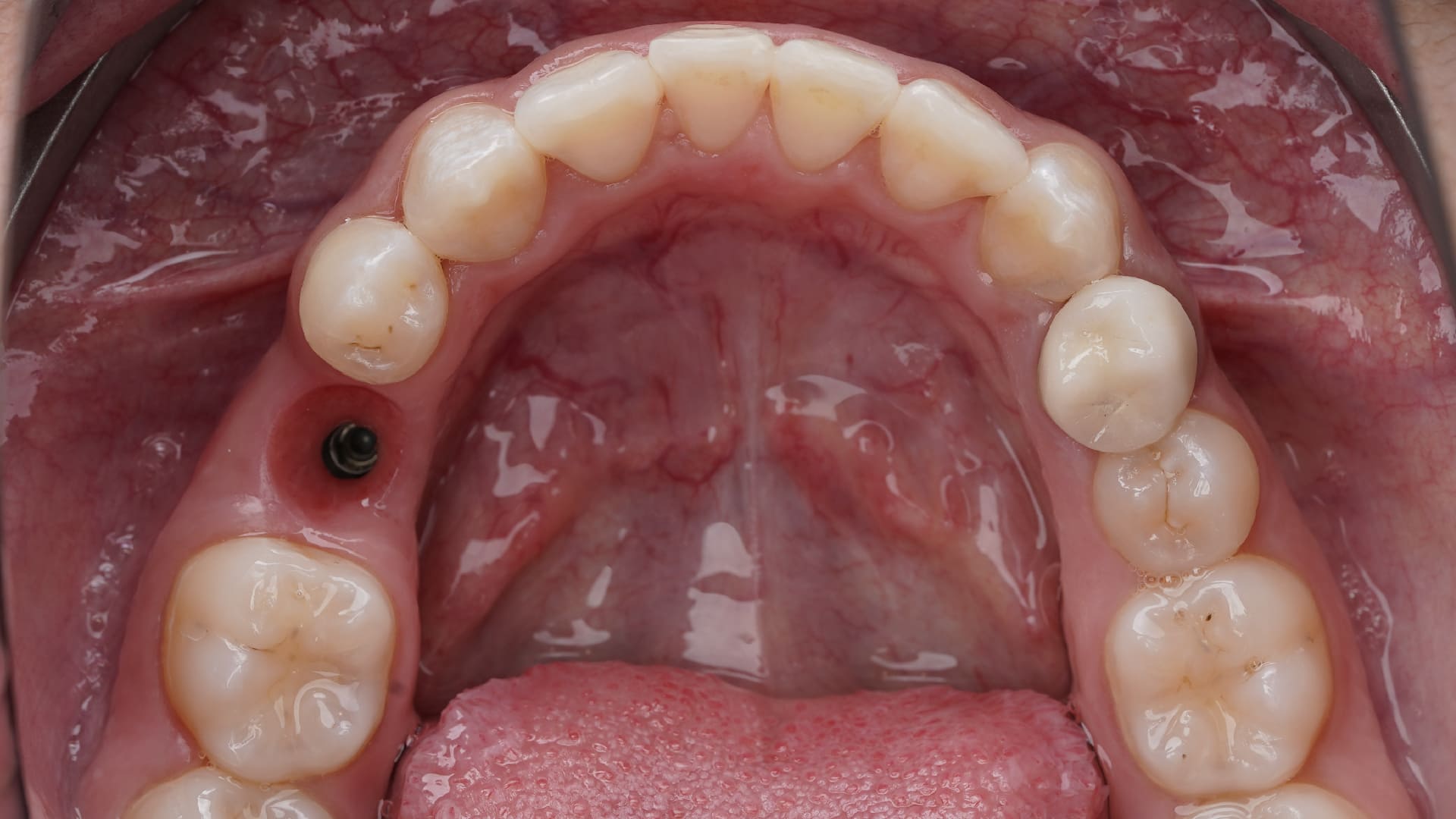
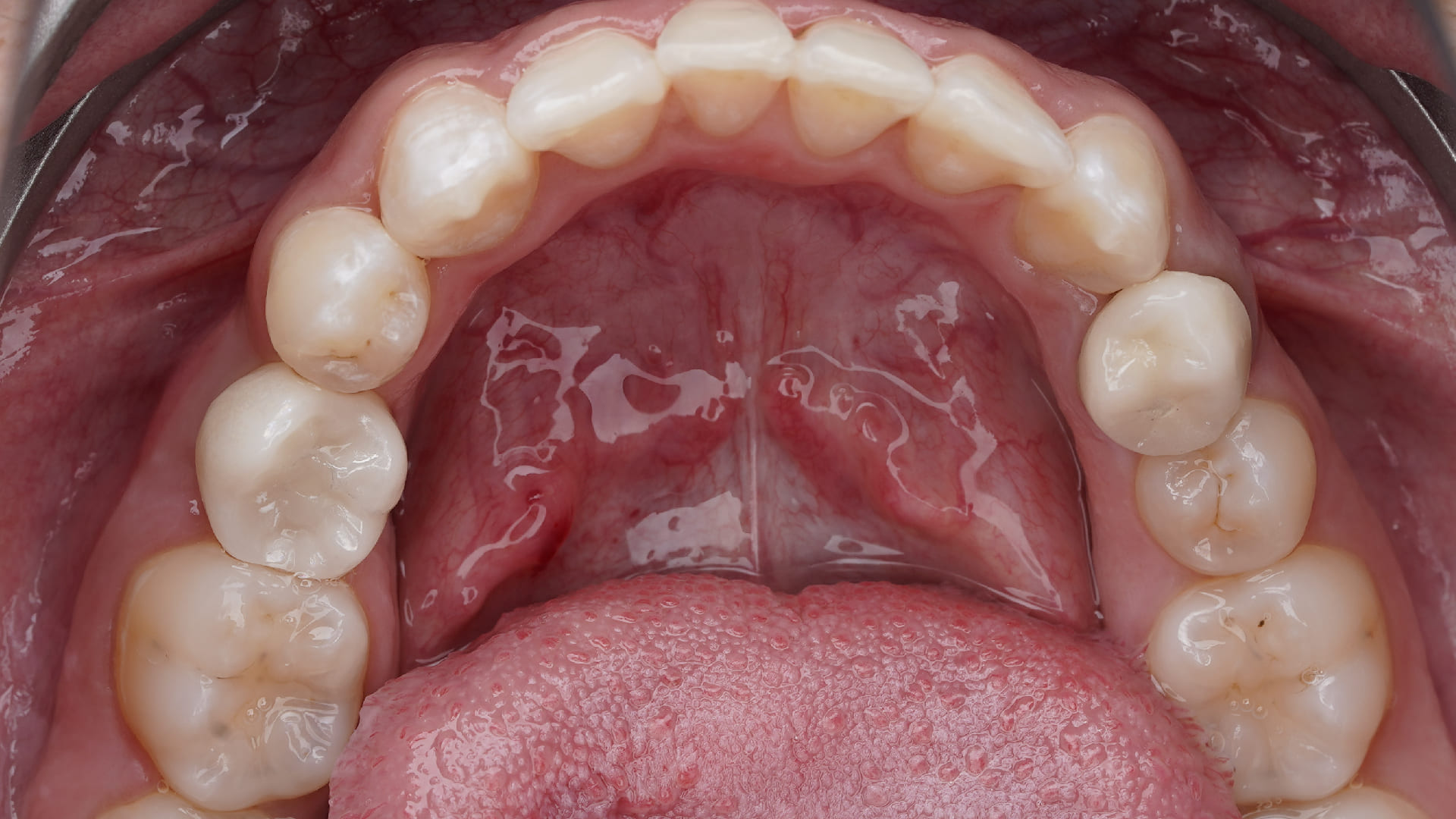
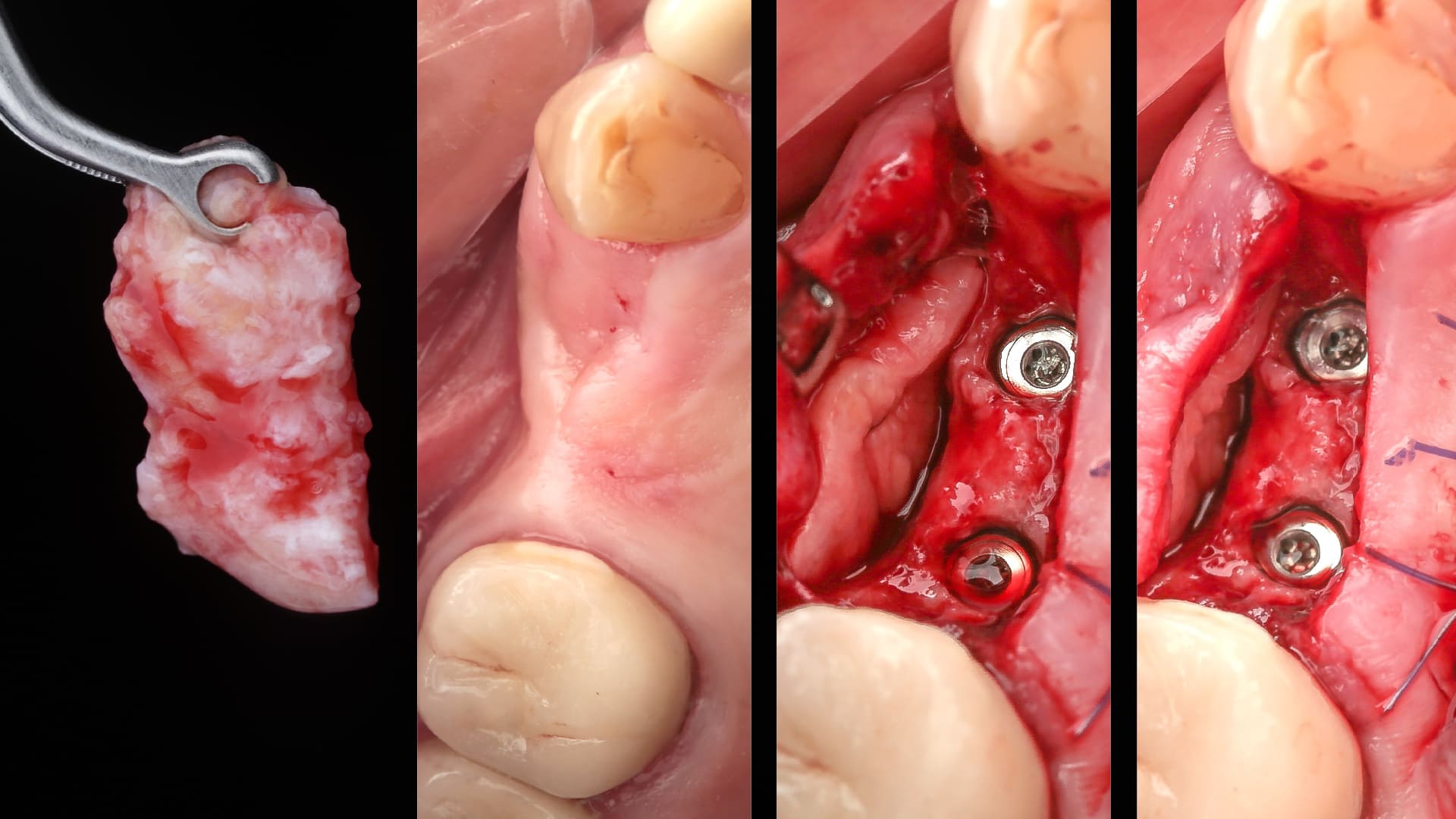
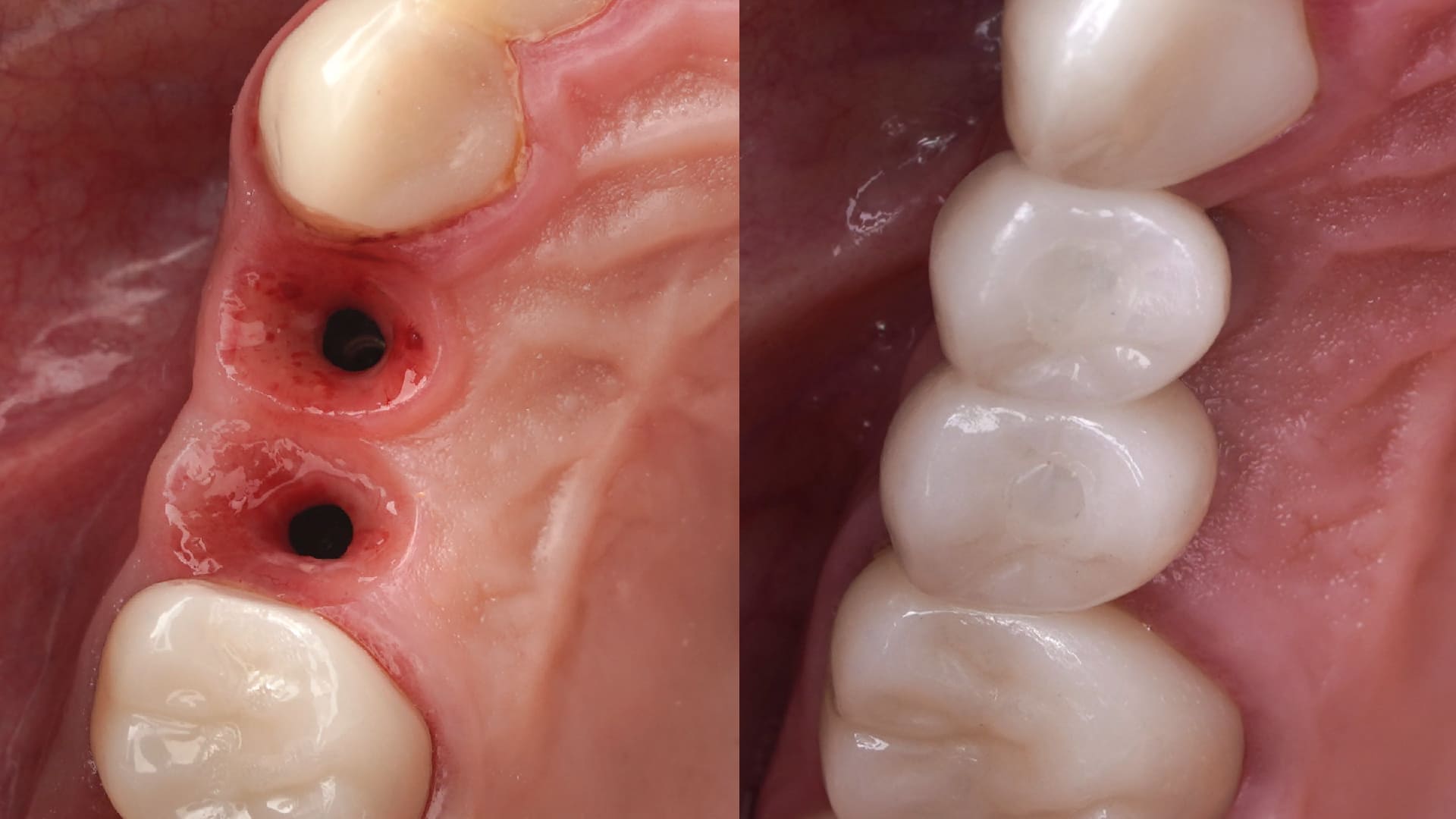
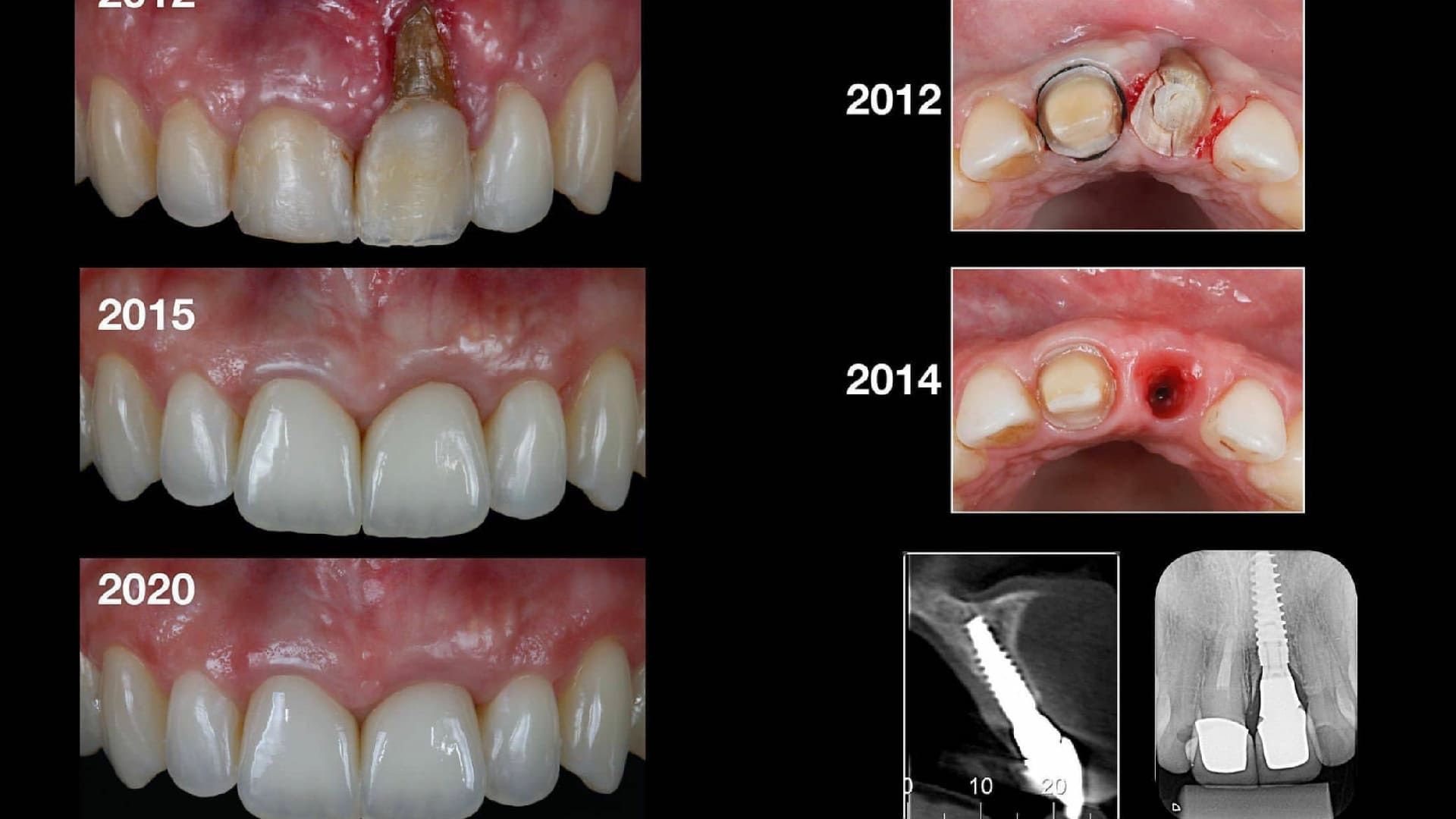
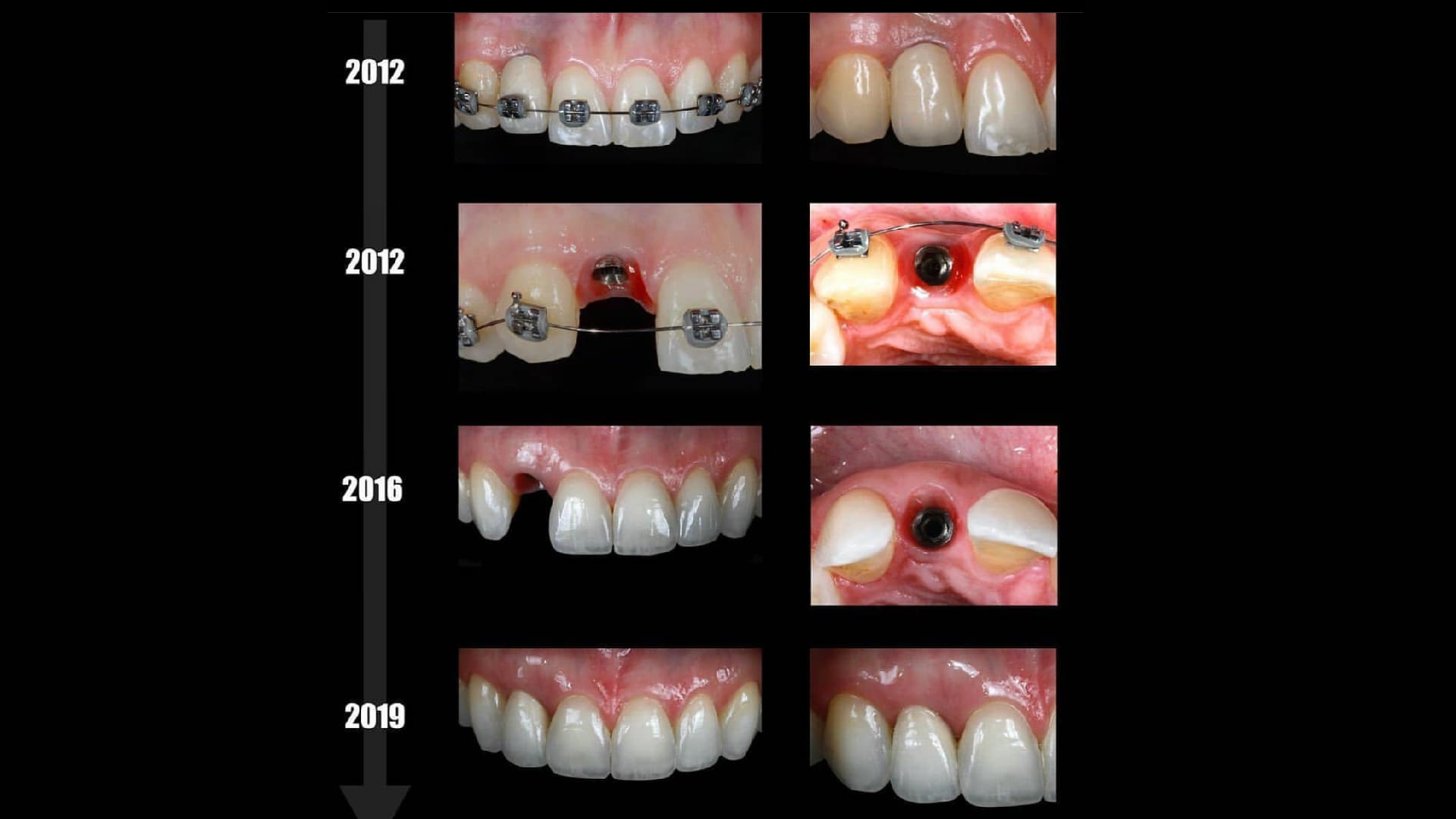
TYPES OF SURGERIES TO CHOOSE TO PERFORM
Implant surgery in healed sites in combination with soft tissue grafting
Root coverage surgeries
KT gain around teeth and or implants
Immediate implant in anterior aesthetic zone w/ custom healing abutment & CTG
Crestal/Lateral window Sinus lift with Implant surgery
Complementing implant healed sites at second stage with soft tissue grafting
Soft tissue management after GBR
Socket reconstruction techniques
Crown
lengthening